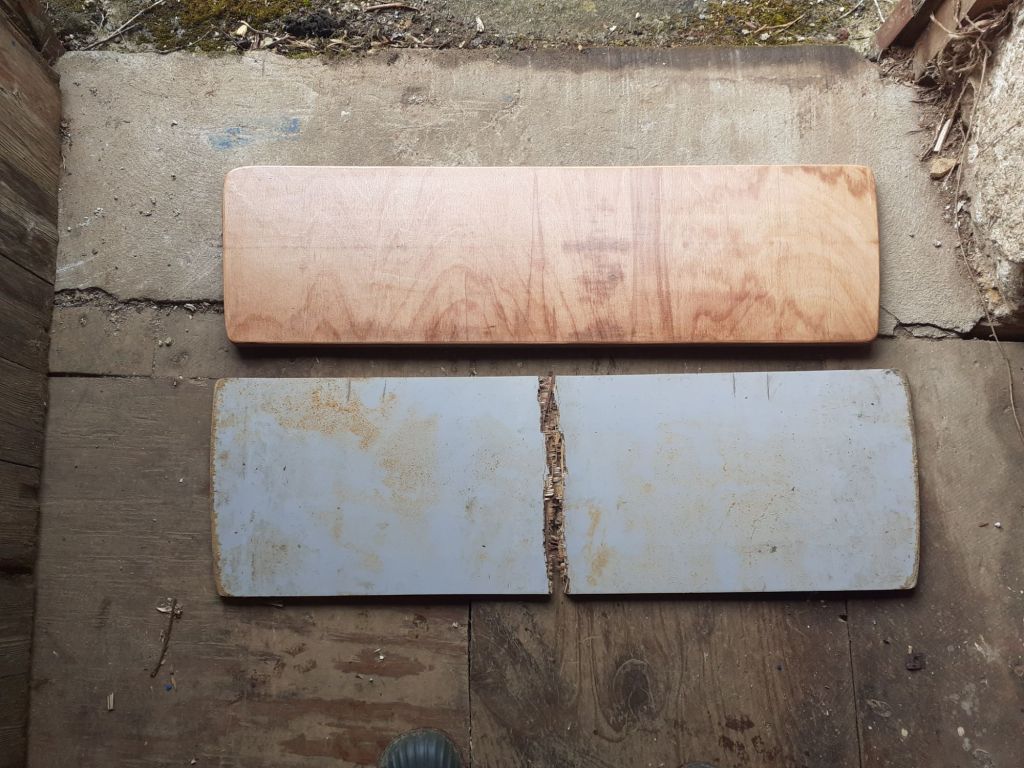
The time had come to get the dinghy out and pump it up for the new season. I had made a new 20mm plywood board for the underside of the inflatable floor as the 12mm ply which came with the new dinghy 2 seasons ago had broke in half last year. The board keeps the RIB shape correct, which is needed to control the dinghy direction when in use.
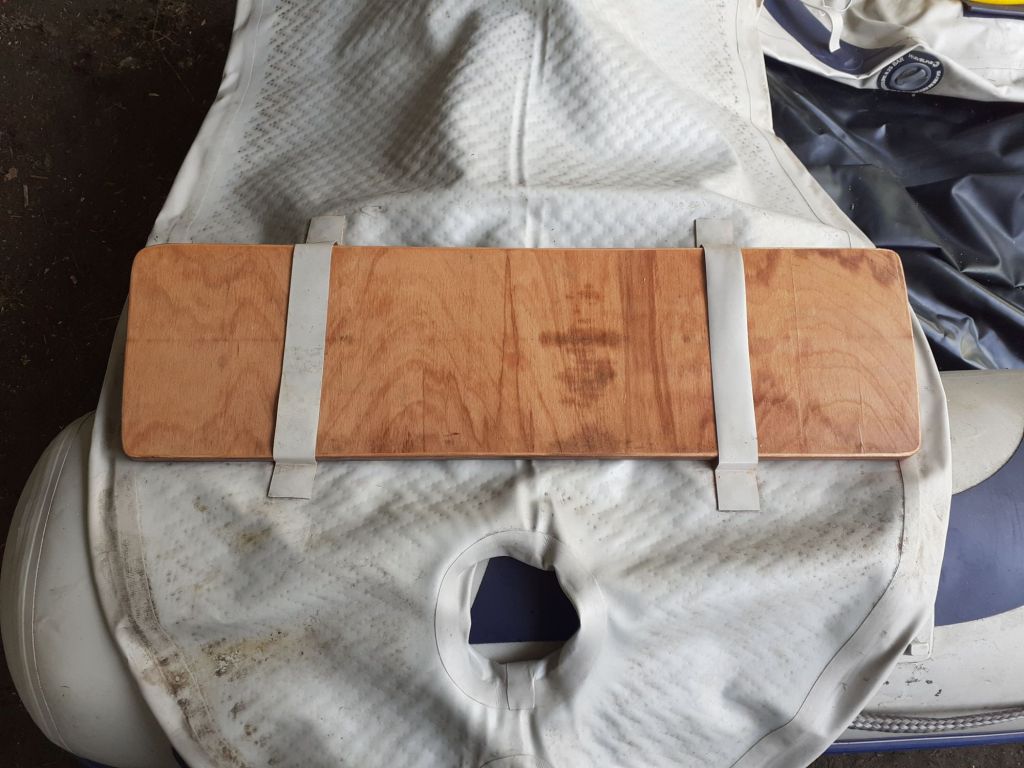
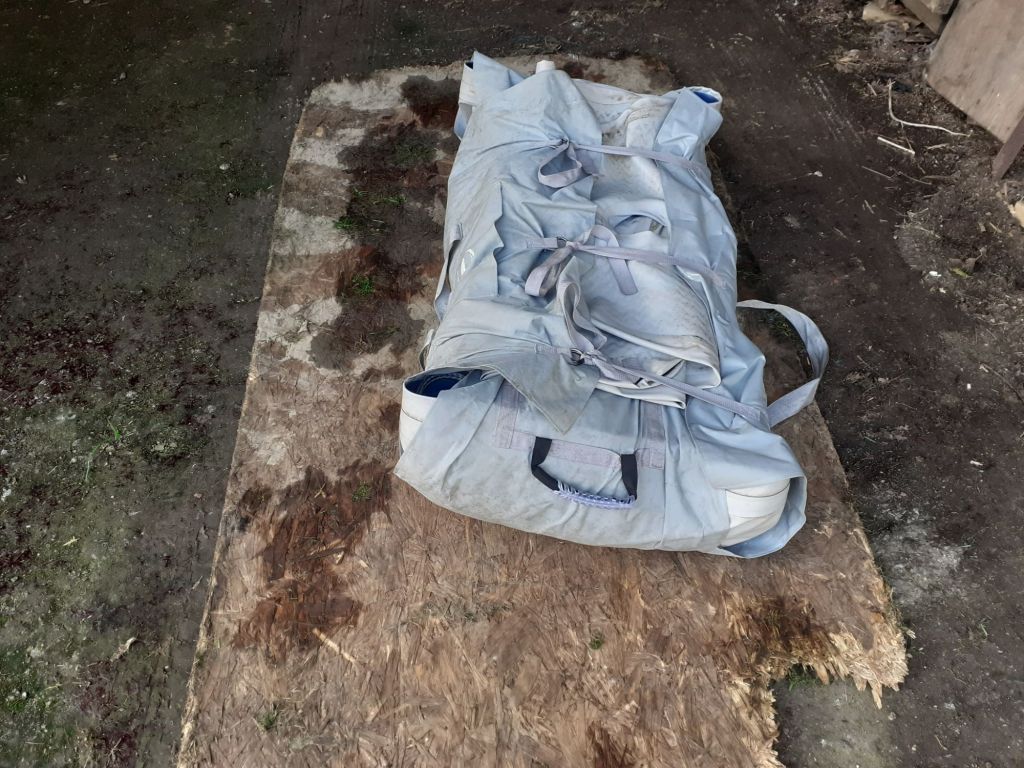

It’s quite heavy and awkard to move in its packed up state, I am always glad the bag has lots of handles. Next thing is to unpack and start pumping before rolling out the inflatable floor, more pumping, fitting the seat and ores, then the dinghy is ready for use. I went and found its launching trolly in the back of one of my sheds and pulled the dinghy onto it.

Next was the turn of our outboard, I have a 3.3hp 2 stroke Mercury which I bought new in 2006, we only use about 10lts of petrol each season so it almost dose no work at all. I use brush cutters in my job which burn 200lts each season and last about 4 years. The Mercury should last me 80 years at that rate if I look after it, after 18 years its only 1/4 way though its life! The problem is the fuel these days, E10 isn’t any good for these outboards, it attracts water and since outboards are surrounded by water, as soon as I open the air vent, water is likely to get into the tank! But I do my best to look after the engine by using a water filter funnal for all new fuel from any fuel station and use a E10 fuel additive. At the end of the season I empty the fuel tank and run the carburetor dry.
The engine hadn’t been started since last October. Getting the outboard from the shed, I first change its spark plug. Then I cleaned out its cooling water outlet which involves removing the fuel tank and using a small drill bit to clean out any salt cristles. Once done I fix the tank back on and fill it up with fresh treated fuel. Then I take the outboard to a water butt I have and clamp it on with its leg in the water. Open the air vent, turn on the fuel, with kill cord attached, I pull the starter cord, 2nd pull it starts. I check the water is flowing and I am happy its ready for a sea trial.
The next day I load the dinghy, trolly and outboard onto the pick-up and drive down to St Anthony, unload the dinghy onto the trolly and push it to the waters edge. Than I carry the outboard down and fix to the transom, padlocking it on. Then I launch the dinghy, get in and row out a bit because it was an onshore wind. Then I started the engine and motored around Gillan harbour to make sure it was working properly, which it was. Then it was back to the shore, pull dinghy out and up the beach and make off to a yacht support frame, so the tide wouldn’t take her away, then back home.
 Love Sailing
Hi Bruce, glad you are getting going for the new season. Our club has just launched, so I am currently bending on sails etc. now the mast is back up. I also have an ancient outboard which is backup for the inboard and as it is not used normally I worry about stale fuel. A friend has pointed me to mower repair places that sell long life (5 years) petrol. Not cheap, but as I don’t use it and have to dispose at the end of the season, I will give it a go. Hope you guys have a good season. Ian
LikeLike
Sounds like “Aspin” fuel, which is good but at about 4x the forecourt prices, it’s too expencive for me! I used to use 40lts every week but since I semi-retired last year, I am now using 50lts every 2 weeks. The E10 fuel addtive I use is a fraction of the price, I bought enough for me, to last me 3 years for £70.
LikeLike